
Have you been feeling self-conscious about excess chest tissue and wondering if there’s a real gynecomastia treatment without surgery? Gynecomastia, often called “man boobs” or enlarged male breasts, is more common than many realize with Mayo Clinic estimating that it affects 24% to 65% of men between ages 50 and 80. The good news is, not every case needs surgery to improve.
Thanks to modern advancements in aesthetic medicine, non-surgical gynecomastia treatment options can help reduce chest fullness, especially when the condition is caused by excess fat rather than glandular tissue. Below, we’ll explain when non-surgical treatment works, what options are available, and when surgery may still be necessary.
Key Takeaways
- A consultation with Dr. Casey Holmes can help determine whether non-surgical treatment or male breast reduction surgery is the better option.
- Non-surgical gynecomastia treatment works best when chest fullness is caused by excess fat, not firm glandular tissue.
- Pseudogynecomastia may improve with weight loss, lifestyle changes, and non-invasive fat-reduction treatments.
- True glandular gynecomastia usually cannot be fully corrected without surgical treatment.
- At-home options like patches, creams, supplements, and chest exercises cannot remove glandular breast tissue.
Can Gynecomastia Be Treated Without Surgery?
In many cases, yes—but it depends on the type of gynecomastia. Fatty gynecomastia or pseudogynecomastia is caused by excess fat in the chest and often responds well to non-surgical gynecomastia treatment, including fat-reduction procedures, weight loss, and lifestyle changes.
True glandular gynecomastia, on the other hand, involves dense breast tissue and usually cannot be fully reversed without surgery. This distinction is important, as choosing the right treatment depends on the underlying cause.

Who Is a Good Candidate for a Non-Surgical Gynecomastia Procedure?
Non-surgical gynecomastia treatment works best for men whose chest fullness is caused mainly by excess fat rather than firm glandular tissue. Ideal candidates often have mild to moderate pseudogynecomastia, are close to a healthy weight, and want improvement without surgery or downtime.
Men with long-standing or firm glandular tissue may still see limited improvement with non-surgical options, but surgery is often required for complete correction.
Non-Surgical Treatments for Gynecomastia
If your gynecomastia is primarily caused by excess fat rather than glandular tissue, non-surgical treatments may offer noticeable improvement without the need for downtime or incisions. For patients wondering how to get rid of gynecomastia without surgery, the best option depends on whether the chest fullness is caused by fat, glandular tissue, or both.
These non-surgical treatment options target fat cells and skin elasticity using modern, non-invasive technologies that can refine chest contours safely and gradually. They are most effective as a pseudogynecomastia treatment when chest fullness is fat-related, and usually do not remove firm glandular breast tissue. Below are two of the most popular and effective non-surgical methods available today:
CoolSculpting (Cryolipolysis)
CoolSculpting uses controlled cooling to freeze and eliminate fat cells without damaging surrounding tissues. It’s FDA-cleared for fat reduction and commonly used to treat areas like the chest in men with pseudogynecomastia. Over several weeks, the body naturally flushes out the destroyed fat cells, leading to a more sculpted chest. The treatment is non-invasive, requires no anesthesia, and typically involves little to no downtime, making it a convenient option for men looking to reduce chest fat discreetly and effectively.
Ultrasound or Radiofrequency Therapy
These energy-based treatments work by heating the underlying layers of skin and fat to stimulate collagen production and promote fat cell breakdown. Ultrasound and radiofrequency devices can help tighten the skin and reduce mild to moderate fat deposits in the chest area. While results may take several sessions and are generally more subtle than surgical outcomes, they are effective for refining contours in men with pseudogynecomastia who prefer non-invasive solutions.
What are the Causes of Gynecomastia?
Gynecomastia can develop for several reasons, and understanding the cause helps determine whether non-surgical treatment is possible. In many cases, excess fat or temporary hormonal changes can be managed without surgery, while true glandular gynecomastia may require a different approach.
Hormonal Imbalances
Gynecomastia most commonly occurs when there is an imbalance between estrogen and testosterone. When estrogen levels increase or testosterone levels drop, breast tissue may begin to develop. This is often seen during puberty, midlife, or later adulthood.
Certain Medications
A number of prescription drugs are linked to gynecomastia, including anti-androgens (used for prostate issues), anabolic steroids, anti-anxiety medications, antidepressants, and even some antibiotics. These substances can interfere with hormone regulation and stimulate breast tissue growth.
Substance Use
Alcohol, marijuana, and other recreational drugs have been linked to gynecomastia. These substances can interfere with hormone regulation or liver function, which plays a role in maintaining hormone balance.
Medical Conditions
Underlying health issues such as liver disease, kidney problems, thyroid disorders, or hormone-producing tumors can contribute to breast tissue growth. Treating the underlying condition is often necessary before gynecomastia can improve.
Obesity
Excess body fat can increase estrogen production, particularly in the chest area. This may lead to pseudogynecomastia (fat-related chest fullness) or worsen existing glandular gynecomastia.
Natural Life Stages
Gynecomastia can appear during infancy, puberty, or aging due to natural hormone fluctuations. In some cases, it resolves on its own, but persistent enlargement may require treatment.

Are You Ready For A Consultation?
You are about to take the first steps towards improving your appearance and enhancing your self-image by learning about contemporary plastic surgery.
Gynecomastia Home Treatments and Other Ways to Reduce Excess Chest Fat
While non-surgical treatments like CoolSculpting and radiofrequency therapies can be effective, they aren’t the only paths to addressing excess chest fat. For many men, lifestyle changes or medical interventions aimed at addressing the underlying cause of fat accumulation can also produce meaningful results. The following options range from behavioral adjustments to medical therapies that may help reduce the appearance of a fuller chest without surgical intervention:
Weight Loss: Diet and Exercise
Improving your diet and increasing physical activity can significantly reduce excess fat in the chest area. While this won’t affect glandular tissue, it can help shrink fat cells contributing to pseudogynecomastia. A consistent routine of cardiovascular exercise and strength training—especially chest-focused movements—paired with a balanced, calorie-conscious diet may result in a leaner, more defined upper body. This approach not only improves appearance but also supports overall health and hormone balance, making it a foundational strategy for many men.
Testosterone Replacement Therapy
Low testosterone levels can contribute to the development of gynecomastia by disrupting the body’s natural hormone balance. In some cases, restoring testosterone to a healthy range through hormone replacement therapy (HRT) can reduce excess breast tissue, especially when combined with other supportive treatments. This option is typically recommended after blood tests confirm a hormonal deficiency. It’s important to consult a qualified medical provider to ensure proper dosing and monitoring, as testosterone therapy isn’t suitable or effective for all men.
Reducing Alcohol Intake or Drug Abuse
Substance use is a common yet often overlooked contributor to gynecomastia. Alcohol can disrupt liver function, which affects the body’s ability to metabolize hormones properly, potentially raising estrogen levels. Recreational drugs like marijuana, heroin, and anabolic steroids have also been linked to hormone imbalances that lead to breast tissue growth. Reducing or eliminating these substances not only helps restore hormonal balance but also improves overall health, which can indirectly support fat reduction and prevent further development of gynecomastia.
Treating Underlying Health Conditions
In some cases, gynecomastia is a symptom of an underlying medical issue such as liver disease, thyroid dysfunction, or hormonal disorders. Treating these root health problems can often reverse or improve breast tissue enlargement. For example, managing hyperthyroidism or optimizing liver function may restore hormonal balance naturally. This approach requires proper diagnosis through blood work and imaging, followed by targeted treatment. Addressing the medical condition behind the gynecomastia ensures a more sustainable and holistic resolution.
Some Off-Label Medications
Certain medications can cause or worsen gynecomastia, either by altering hormone levels or directly stimulating breast tissue growth. In some cases, physicians may prescribe off-label medications like tamoxifen or raloxifene—selective estrogen receptor modulators (SERMs)—to counteract excess estrogen. In other cases, switching from a medication known to contribute to gynecomastia (such as some heart, ulcer, blood pressure, or antidepressant drugs) to an alternative may reduce or reverse the condition. Always consult a healthcare provider before starting, stopping, or changing any medication, and discuss potential side effects and long-term implications.
Home Remedies
While home remedies are unlikely to fully reverse true gynecomastia, they can complement medical or professional treatments—especially for pseudogynecomastia. Common approaches include regular exercise (with an emphasis on cardio and chest-strengthening moves), a balanced diet rich in whole foods, and maintaining a healthy body weight to reduce fat accumulation. Some men find that reducing sodium intake helps minimize fluid retention, which can subtly improve chest contour. Herbal supplements are sometimes promoted for hormonal balance, but their effectiveness and safety are not well-studied; it’s best to review these with a medical professional before use.
What Does Not Work for Gynecomastia?
Not every at-home or over-the-counter option can correct gynecomastia, especially when firm glandular breast tissue is involved. Gynecomastia patches, creams, and supplements are not proven to remove glandular tissue, and chest exercises cannot spot-reduce fat in the chest.
Lifestyle changes may still help reduce fat-related chest fullness, but persistent or firm gynecomastia should be evaluated by a qualified provider to determine the best treatment option.
When is Gynecomastia Surgery the Best Option?
While non-surgical approaches can significantly reduce chest fat in many men with gynecomastia, they may not be effective for true gynecomastia involving dense glandular tissue. In such cases, surgical removal is often the only way to achieve a firm, contoured, masculine chest. Surgery is also ideal for those who have not responded to lifestyle or medical treatments.
According to the American Society of Plastic Surgeons, “Gynecomastia surgery has steadily seen an increase in men for the past several years, moving from 24,517 in 2023 to 26,430 patients in 2024.” This reflects a growing number of men seeking more definitive correction when non-surgical options are not enough.
A consultation is also important if breast enlargement is one-sided, painful, rapidly changing, associated with nipple discharge, or feels like a firm lump beneath the nipple.

Who Should Perform My Male Breast Reduction Surgery?
Choosing the right specialist is important when surgery is the best option for gynecomastia. Look for a board-certified plastic surgeon with experience in male breast reduction, body contouring, and the specific anatomy of male chest tissue. Reviewing before-and-after photos can also help you understand the surgeon’s approach and the type of results you may expect.
Schedule an Appointment with a Body Surgery Specialist
If you’re experiencing physical discomfort, persistent fullness despite trying non-surgical options, hormone management, or simply want more dramatic and permanent results, Dr. Casey Holmes can help determine whether male breast reduction surgery might be the right next step.
Call us at 239-420-8503 or visit our contact page to schedule a consultation.
Frequently Asked Questions About Gynecomastia Treatment Without Surgery
Sometimes. Mild chest fullness caused by excess fat or temporary hormonal changes may improve with weight loss, exercise, and lifestyle changes. Many patients ask, “does gyno go away on its own?” In puberty-related or fat-related cases, it sometimes can. However, true gynecomastia caused by firm glandular breast tissue usually does not go away naturally without medical or surgical treatment.
Gynecomastia caused by excess fat may improve with non-surgical treatments such as CoolSculpting, Ultrasound, and hormone management when appropriate. These options help reduce chest fullness but cannot remove firm glandular breast tissue.
Yes, it can. Fat-related gynecomastia may return if weight is regained or hormones shift. Non-surgical treatments require ongoing lifestyle maintenance, while surgical removal of glandular tissue offers the most permanent results.
About the Author
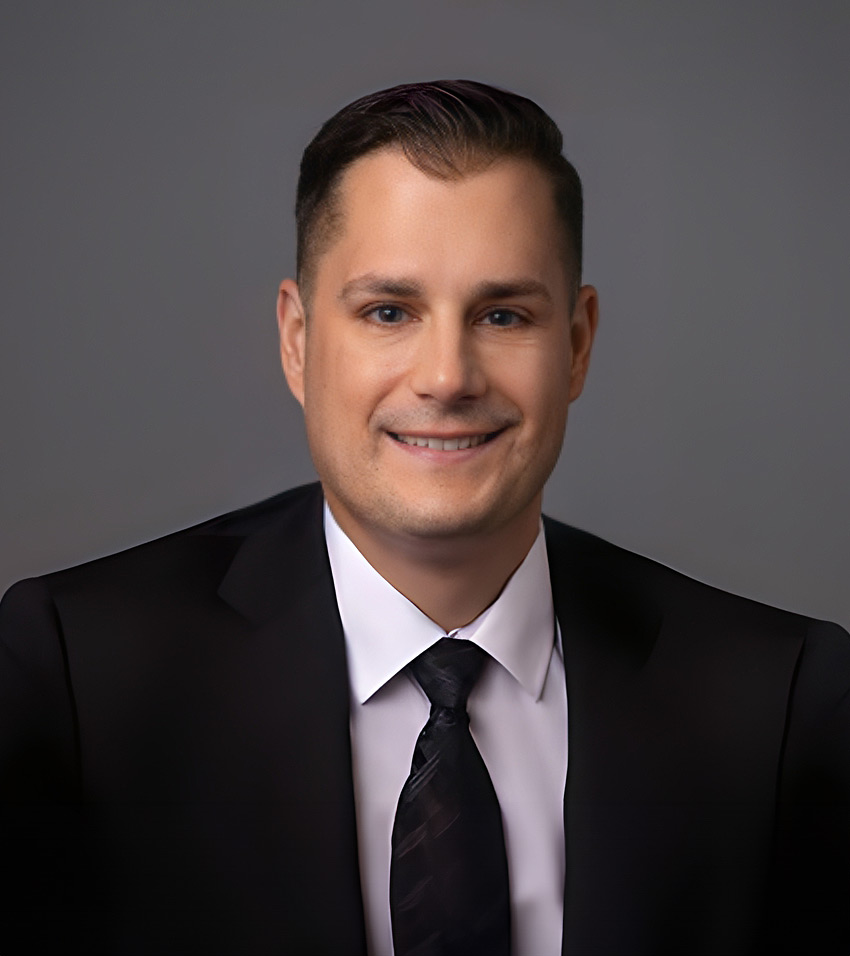
Dr. Casey Holmes at The Aesthetic Surgery Center in Naples, FL, is a Board Certified Plastic and Reconstructive Surgeon with advanced fellowship training in aesthetic surgery of the face, breast, and body. His expertise in male breast reduction allows him to deliver natural-looking results using the latest surgical and non-surgical methods.