
Knowing what to expect during breast augmentation surgery recovery makes the whole experience feel a lot more manageable. Most women want a clear picture of how the first few days will feel, when they can get back to work, when they can exercise again, and when their breasts will finally look and feel like their own. A week-by-week timeline helps with all of that.
At Aesthetic Surgery Center in Naples, FL, board-certified plastic surgeon Dr. Casey Holmes guides every patient through what to expect after surgery. “I treat all of my patients like I treat my own family members. I want them to be happy with themselves and will work with their goals and desires to give them the best and safest results possible.” That same care extends to the recovery process, where clear guidance and a steady follow-up plan make a real difference.

What to Expect from Your Recovery at a Glance
- The first 24 to 72 hours after surgery are the most restrictive, with rest and pain control as the main focus.
- Most patients are back to light daily activities as long as they don’t involve lifting more than 15-20 pounds, within the first week and back to desk work in the second week.
- By weeks 3 and 4, swelling continues to fade and the breasts start to look more natural.
- Implants typically settle into their final position around the 6-week mark, with continued refinement after that.
- Following Dr. Holmes’s post-op instructions closely is the most important factor in a smooth recovery.
The First 24 to 72 Hours After Breast Augmentation
The first three days set the tone for everything that follows. Dr. Holmes performs breast augmentation as an outpatient procedure at the practice’s AAAASF-accredited surgical facility, and most patients go home a few hours after their surgery is complete. Once you’re home, the focus is rest, hydration, and staying on top of any discomfort.
You can expect tightness and pressure across the chest, mild to moderate soreness, and grogginess from anesthesia. Pain is usually most noticeable in the first 24 to 48 hours. Dr. Holmes does use a local anesthesia that lasts up to 72 hours but some patients still have some pain. Acute pain usually fades within the first one to five days, though mild soreness and swelling may continue for a few more weeks.
What to Focus On During the First Few Days
A few things to plan for during this window:
- Take prescribed pain medication on schedule rather than waiting for discomfort to build
- Sleep on your back with your upper body elevated using pillows or a wedge 30-45 degrees
- Wear the surgical bra exactly as instructed
- Take short walks around the house to support circulation
- Have someone available to help with meals and basic tasks
It’s important to avoid driving, lifting, and reaching overhead during this time.
Week 1
The first week is when patients see the biggest day-to-day improvement. Soreness eases noticeably between days 3 and 5, and many people transition from prescription pain medication to over-the-counter options during this stretch.
You’ll likely still feel tightness in the chest and some heaviness in the breasts. Bruising and mild swelling are normal, and the breasts will sit high on the chest. Sleeping upright continues to be the most comfortable position.
By the end of the first week, many patients are managing light tasks around the house and feel ready to start thinking about returning to a desk job. Anything that involves lifting, reaching, or upper-body strain still needs to wait.

Are You Ready For A Consultation?
You are about to take the first steps towards improving your appearance and enhancing your self-image by learning about contemporary plastic surgery.
Week 3 to 4
By weeks 3 and 4, the breasts start to look more like themselves. Swelling continues to fade, and the implants begin to soften and settle. Many patients are cleared for light lower-body cardio during this stretch, such as walking on a treadmill or using a stationary bike. Anything that bounces or engages the chest is still off-limits.
You may notice the breasts still sit higher than expected. This is normal and resolves on its own over the next several weeks as the muscle and tissue relax around the implants.
This is also when many women feel tempted to push too far too fast. Most patients are looking and feeling great, which can lead to overdoing it. Listening to the body and sticking with Dr. Holmes’s guidance is what keeps healing on track.
Week 5 to 6
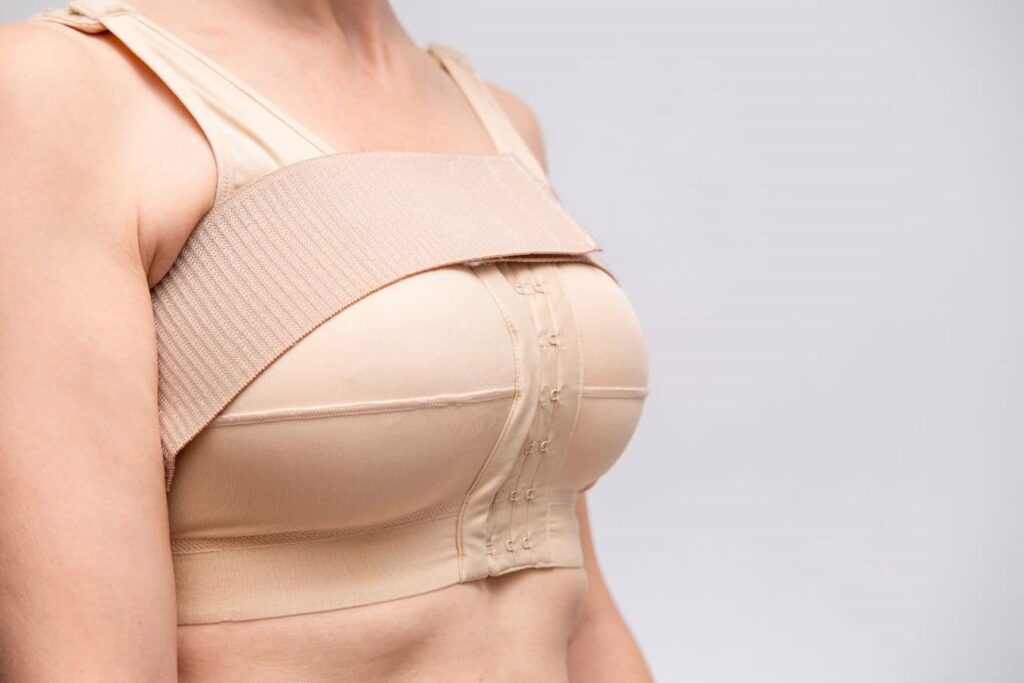
Weeks 5 and 6 mark a real shift. Most patients feel close to their pre-surgery baseline, and many are cleared for more substantial cardio and light upper-body activity, though chest-focused workouts are typically the last to return. Compression garments and surgical bras may still be part of the daily routine, depending on Dr. Holmes’s recommendations.
Scars are still in the early stages of maturing and will continue to fade over the following months. Sun protection and any scar care products recommended by Dr. Holmes should be part of the routine from here on.
When Do Breast Implants Fully Settle?
Most breast implants take around 3 to 6 months to fully settle. The 6-week mark is a common turning point. By then, the implants have generally moved into their permanent position, the breasts have softened, and the shape begins to reflect the final result. Some patients see continued refinement over the following months as residual swelling resolves.
For a real-world example, you can view a breast augmentation patient at 6 weeks to see how the breasts look once the implants have largely settled into place.
Before & After Photos
* Each patient is unique and individual results may vary.
What Is Normal During Breast Augmentation Healing
Quite a few sensations come along with healing, and most of them are completely expected:
- Tightness and pressure across the chest, especially in the first 2 weeks
- Bruising and swelling that gradually fade over several weeks
- Intermittent muscle spasms or twinges, particularly with submuscular implant placement
- Skin numbness or hypersensitivity around the incisions
- One breast looking slightly more swollen or sitting higher than the other
- A “high and tight” look that softens as the implants settle
- Itching as incisions heal
These are all part of the normal healing process and tend to resolve as the weeks go on.
When Should You Call Your Surgeon?
There are a few situations where calling Dr. Holmes’s office right away is the right move:
- Fever above 101°F
- Sudden, significant swelling on one side
- Drainage from the incision sites that is foul-smelling or excessive
- Severe pain that isn’t controlled by prescribed medication
- Increasing redness or warmth around the incisions
- Shortness of breath or chest pain
- Numbness or weakness in an arm
A quick phone call is always better than waiting. Most issues can be addressed easily when they’re caught early.
Factors That Can Affect Breast Surgery Recovery
Recovery looks a little different for everyone, and several factors influence the pace of healing:
- Implant placement (above or below the muscle)
- Implant size and the degree of change from starting anatomy
- Age, overall health, and skin elasticity
- Nutrition, hydration, and sleep quality
- Smoking or nicotine use, which significantly slows healing
- Existing medical conditions such as diabetes
- Certain medications and supplements
- How closely the patient follows post-op instructions
Be open about any of these with Dr. Holmes during your consultation. A thorough medical history allows him to plan around any factors that could affect healing and gives you the best possible foundation for a smooth recovery.
How to Support Healing After Breast Augmentation
A few small habits make a meaningful difference:
- Set up a recovery space ahead of time with pillows, water, snacks, phone charger, and entertainment within reach
- Stock up on front-closure tops and zip-up hoodies so you don’t have to lift your arms overhead
- Eat protein-rich meals to support tissue repair
- Stay well-hydrated
- Walk short distances often to keep circulation moving
- Avoid nicotine and secondhand smoke during the entire recovery process
- Wear the surgical bra or compression garments exactly as instructed
- Attend every follow-up appointment, even if you feel great
- Sleep on your back with the upper body elevated for as long as Dr. Holmes recommends

Schedule a Consultation for Breast Augmentation in Naples, FL
A clear recovery plan starts with a personalized consultation. Dr. Holmes takes time to review your goals, walk through implant options, and explain what your individual healing timeline will look like. Schedule a consultation at Aesthetic Surgery Center to take the next step toward the results you have in mind.
FAQs about Breast Augmentation Recovery
This is completely normal in the first few weeks. The chest muscle and surrounding tissue are still tight, which holds the implants high on the chest. As the muscle relaxes and the tissue stretches gently around the implants, they drop into a more natural position. This usually happens between weeks 4 and 8, with continued refinement up to the 3- to 6-month mark.
Most patients describe the first 24 to 48 hours as the most uncomfortable part of recovery, with a feeling of tightness and pressure across the chest rather than sharp pain. Prescribed pain medication keeps it well-managed during this window. Many patients switch to over-the-counter pain relievers within a few days. Soreness can linger for a couple of weeks but usually doesn’t interfere with daily activities by the second week.
Back sleeping is recommended for the first 2 to 4 weeks after surgery. Most patients are cleared to transition to side sleeping somewhere around weeks 4 to 6, depending on how healing is progressing. Stomach sleeping is typically permitted around the 6- to 8-week mark, once Dr. Holmes gives the green light.
Light walking starts right away. Light lower-body cardio is usually cleared at 2 to 3 weeks, more substantial cardio at around 4 weeks, and full upper-body workouts (including chest exercises) at 6 to 8 weeks. Always wait for clearance from Dr. Holmes before adding any new activity back into the routine.
About Dr. Casey Holmes
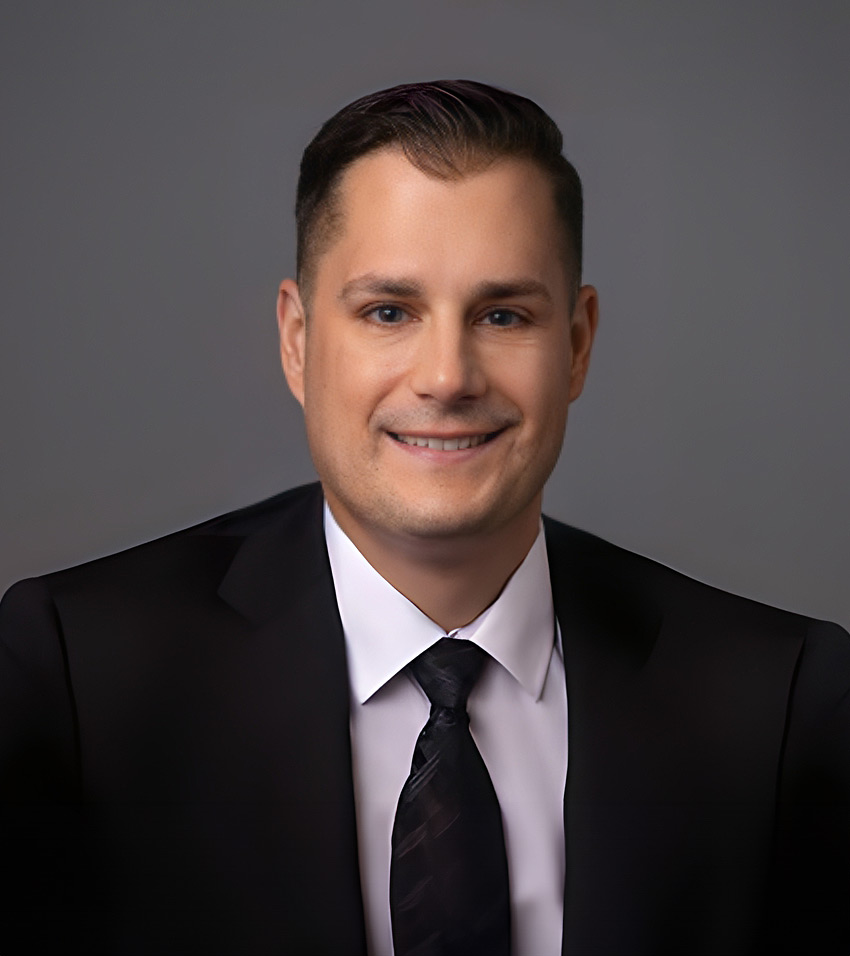
Dr. Casey Holmes is a board-certified plastic surgeon with the American Board of Plastic Surgery and a member of The Aesthetic Society, the Florida Medical Association, and the Collier County Medical Society. He completed his general surgery residency at Loyola University Medical Center and his plastic surgery residency at Cleveland Clinic Florida. Dr. Holmes performs breast augmentation, breast lift, breast reduction, breast reconstruction, and body contouring procedures at Aesthetic Surgery Center in Naples, FL, and is known for his meticulous technique, artistic eye, and personalized approach to every patient.