
A common question many facial plastic surgeons hear is “When should I have a facelift done?” The honest answer is that the best age for a facelift isn’t a single number; it’s the point where structural changes in the face have outpaced what skincare, injectables, and lasers can address.
For some patients, that moment arrives in their early 40s. For others, it’s a decade or more later. What matters more than your birthday is what’s actually happening to your skin, your facial anatomy, and how you feel when you look in the mirror.
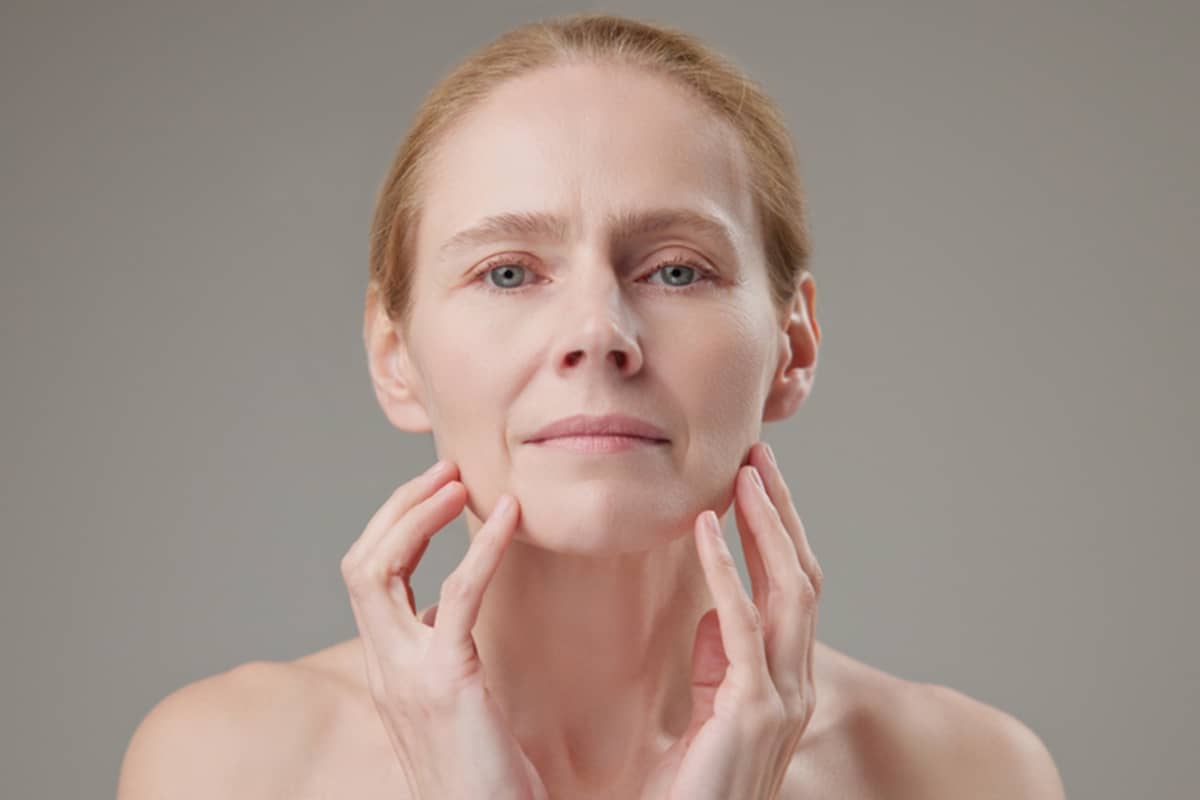
What Matters More Than Age When Considering a Facelift
Facelift timing is one of the most personal decisions in facial rejuvenation, and there’s a great deal of conflicting information out there. Experienced facial plastic surgeons evaluate candidacy based on what’s actually happening in the face, not a number on a calendar. A quick overview can help frame your thinking before a consultation.
- The average age for facelift patients today is the mid to late 50s, though candidates range from the early 40s through the 80s.
- Skin elasticity, facial structure, and overall health matter more than chronological age.
- A facelift performed earlier in the aging process tends to produce longer-lasting, more natural-looking results.
- Endoscopic facelifts, full facelifts, and brow lift procedures each address different signs of aging at different stages.
- A consultation with a board-certified facial plastic surgeon is the most reliable way to determine your ideal age and approach.
What Is the Best Age for a Facelift?
There is no universal perfect age for a facelift. Most surgeons agree the typical age range falls between the late 40s and the mid 60s, but candidates outside that window are common. What unites successful facelift patients is not how old they are; it’s that they have visible structural changes (jowling, sagging cheeks, a softening jawline, loose skin in the neck) that non-surgical treatments can no longer address. A facelift repositions the deeper tissues of the face rather than simply tightening the surface of the skin. That distinction is why age alone isn’t a useful filter when evaluating cosmetic surgery options.
How Facial Aging Progresses at Different Ages
Everyone ages, but no two faces age the same way. Genetics, sun exposure, weight fluctuations, and skin care habits all influence how quickly visible changes appear. A general timeline looks something like this: in the 30s, fine lines and the earliest signs of volume loss begin to show. In the 40s, wrinkles deepen, and the cheeks start to descend. By the 50s, the jawline softens, and the neck loosens. In the 60s and beyond, gravity, collagen/fat loss, and reduced skin elasticity create more pronounced jowling and laxity, droopy eyebrows, and sagging cheeks.
Understanding where you fall on that arc, rather than fixating on a number, is what helps a facial plastic surgeon recommend the right procedure at the right time.
Facelift Surgery in Your 40s, 50s, and 60s
40s: Subtle Changes and Early Prevention
Patients in their 40s sometimes wonder whether they’re too young for facelift surgery. The answer depends on what’s actually happening in the face. For most 40-somethings, dermal fillers, BOTOX, and laser skin resurfacing are still doing their job. But for patients seeing early jowling or persistent neck laxity, often due to genetics or significant sun exposure, a more conservative lift procedure can deliver subtle, lasting results without the appearance of having “had work done.”
Mid 50s: The Most Common Age Range
The mid 50s represent the most common window for full facelift surgery. Skin elasticity is still relatively good at this stage, which supports more efficient healing and more refined results. Patients in this age range often choose facial plastic surgery because non-surgical options have stopped delivering the improvements they once did, and because they want to address several signs of aging at once: sagging cheeks, marionette lines, and a softening jawline.
60s and Beyond: Restoring Youthful Contours
There is no strict upper age limit for a facelift, provided the patient is in good health. Patients in their 60s, 70s, and 80s often see dramatic improvements because the contrast between their pre-surgery and post-surgery appearance is more pronounced. The goal at this stage isn’t to look 30, it’s to restore youthful contours to the face and neck while preserving the patient’s natural features and identity.

Are You Ready For A Consultation?
Schedule a consultation at Aesthetic Surgery Center in Naples, FL to receive personalized guidance from our surgical team.
Best Age vs. Best Timing: What Skin Quality Tells Us

Skin quality is one of the most important factors in facelift candidacy, and it’s a better predictor of results than age. Supple, elastic skin heals more efficiently and holds the lift longer. Sun-damaged or thin skin presents more challenges. This is why two patients of the same age can hear very different recommendations during a consultation; one may be an ideal candidate for surgery, while the other may benefit more from laser skin resurfacing or a combination of non-surgical treatments before considering a facelift.
Do You Need an Uplift™ lower face and neck lift, Full Facelift, Endoscopic midfacelift, or Brow Lift?
Not every patient needs a traditional facelift. The right procedure depends on which areas of the face show the most aging:
- The Uplift™ lower face and neck lift is a deep-plane approach that lifts the underlying muscle layers while preserving the skin’s natural attachments, offering a more enduring result without the visible hairline scar associated with traditional deep plane facelifts. It specifically lifts the lower cheeks, jawline and neck tissues.
- A full facelift addresses droopy eyebrows with an Endoscopic forehead and brow lift, lifts cheeks that have descended with an Endoscopic midface lift, and corrects more advanced changes across the lower face and neck, with The Uplift™ lower face and neck lift. Often, fat transfer, laser resurfacing, and eyelid surgery accompany a full facelift.
- An Endoscopic midfacelift addresses cheeks that have fallen through small endoscopic incisions, lifting them along with the outer eyebrow and temporal tissues. This is usually performed in conjunction with an Uplift but may be suitable for younger patients with limited concerns.
- An Endoscopic brow lift or endoscopic forehead lift addresses heaviness above the eyes and repositions eyebrows to a higher position.
- Eyelid surgery is frequently combined with a facelift to refresh the upper third of the face for a more balanced result.
A consultation is the only reliable way to determine which combination is appropriate for your facial anatomy and goals.
The UpLift™ Before & After Photos
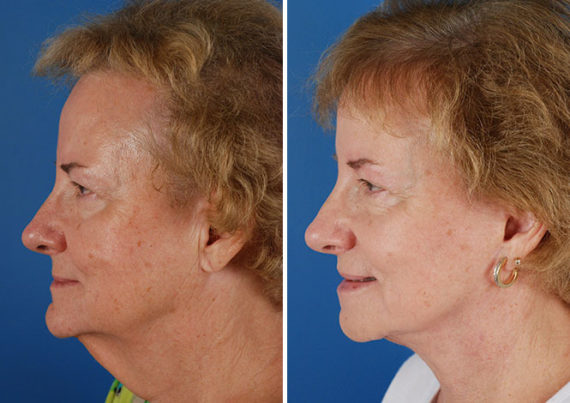
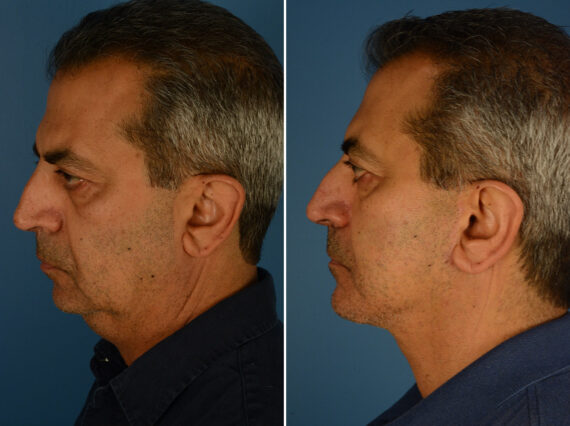
* Each patient is unique and individual results may vary.
Why Waiting Too Long Can Limit Your Facelift Results
One of the most common regrets surgeons hear is from patients who waited past a certain age to act. Once skin elasticity is significantly diminished, a lift can still produce meaningful improvement, but the results may not be as enduring or as refined as they would have been five or ten years earlier.
The principle is straightforward: the earlier in the aging process a facelift is performed, the longer the results tend to last, and the more years you have to enjoy the results. Early prevention and well-timed facial surgery often produce more natural outcomes than waiting until aging has become severe.
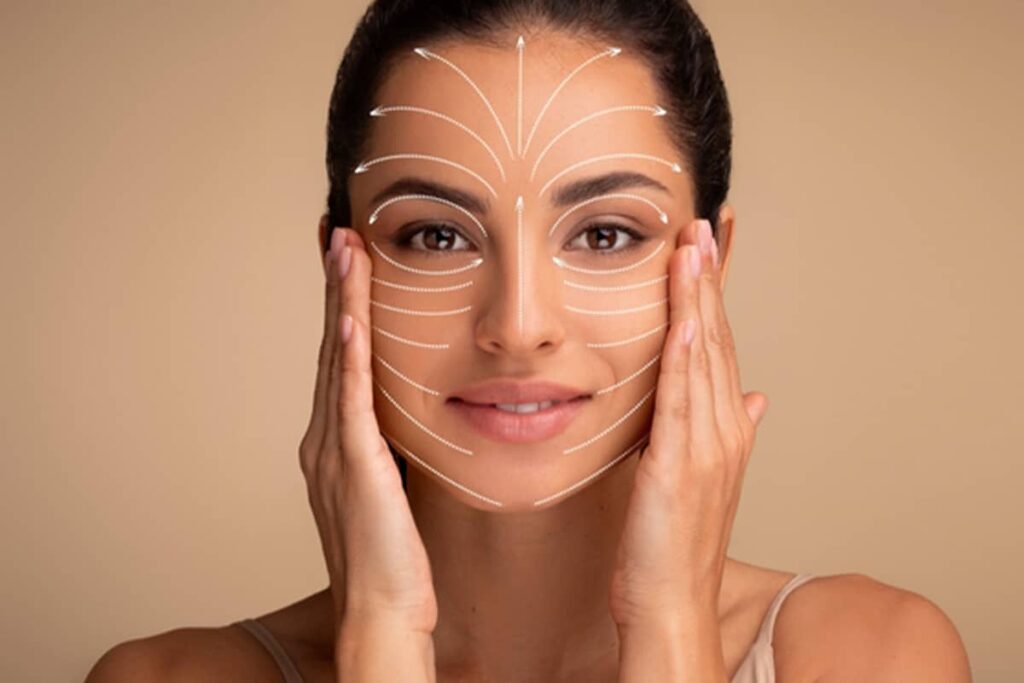
Schedule a Consultation With a Naples Facial Plastic Surgeon
If you’re wondering whether you’ve reached the right age for facelift surgery, the most useful next step is a personalized evaluation. At Aesthetic Surgery Center in Naples, FL, Dr. Anurag Agarwal, a double board-certified facial plastic surgeon, and Dr. Casey Holmes, a board-certified plastic surgeon, customize every facelift to the patient’s unique facial structure, skin quality, and goals. They use multi-layer and endoscopic techniques, including the Uplift™ lower face and neck lift, to deliver natural, lasting results. Contact the office to schedule a consultation.
Frequently Asked Questions About Facelift Age
Dermal fillers restore lost volume, while a facelift repositions sagging tissue and removes excess skin. If your concerns are limited to flatness in the cheeks or fine lines, fillers may be enough. If you’re seeing jowling, a softening jawline, or loose neck skin, a facelift is more likely to deliver the result you’re looking for. A consultation can clarify which option fits your stage of aging.
Most facelift patients enjoy results for many years, often 7-10 years. You will continue to age after surgery, but you will always look younger than you would have without the procedure. Skin care, sun protection, and overall health all influence how long the results endure. If individuals wish to repeat a facelift, it’s usually after 7 to 10 years.
No, there is no strict upper age limit. What matters is overall health and the ability to safely undergo and recover from surgery. Many patients in their late 60s and 70s are excellent facelift candidates.
There is no fixed minimum, but most surgeons rarely recommend facelift surgery before the early 40s. Younger patients are typically better served by non-surgical treatments such as injectables, lasers, and consistent skin care until structural changes become apparent.