
Quick answer: You can restore some collagen in the face by stimulating natural collagen production. Treatments like microneedling, laser resurfacing, radiofrequency, and collagen-supportive skincare can improve firmness, elasticity, and texture over time. While lost collagen cannot be fully replaced, a personalized plan can help restore healthier, firmer-looking skin.
Collagen is the structural scaffolding that keeps facial skin firm. Unfortunately, natural production begins to decline as early as age 25, leading to laxity and volume loss. One of the most common questions we address at the Aesthetic Surgery Center is how to restore collagen in the face effectively.
While many products promise results, rebuilding true structural support requires more than just topical hydration. Below, we focus specifically on facial collagen loss and the most effective ways to restore firmness, elasticity, and skin quality.
Key Takeaways
- Collagen loss in the face can cause sagging skin, fine lines, wrinkles, and reduced facial definition.
- You can support collagen production through treatments like microneedling, laser resurfacing, and light therapy.
- Topical ingredients such as retinoids, vitamin C, and peptides can help improve skin texture and elasticity over time.
- Collagen supplements and a nutrient-rich diet may support skin hydration, firmness, and overall collagen health.
- Sun protection, avoiding smoking, managing stress, and limiting added sugar may help reduce collagen breakdown and support healthier skin aging.
Can You Rebuild Collagen in Your Face?
Yes, collagen can be partially restored in the face by stimulating the body’s natural collagen production. While aging and environmental factors cause natural collagen decline, certain treatments and lifestyle changes can stimulate the skin to produce new collagen. Although you can’t fully replace lost collagen, modern aesthetic therapies have made it possible to significantly improve skin texture, firmness, and elasticity by encouraging natural collagen regeneration over time.
How to Rebuild Collagen in the Face
The good news is that while collagen naturally depletes over time, there are scientifically backed ways to encourage collagen growth. Whether through non-invasive procedures or targeted skincare, many treatments are designed to stimulate new collagen production and repair damaged collagen fibers. These are the most popular methods for supporting facial collagen and how they work to rejuvenate your skin from within:

Hyaluronic Acid Fillers
Hyaluronic acid fillers are one of the most widely used cosmetic procedures for facial rejuvenation. These injectable treatments not only add volume and smooth out wrinkles but also stimulate collagen growth over time. As part of a comprehensive anti-aging plan, dermal fillers can help support the skin’s underlying structure and encourage the body to maintain a more youthful appearance.
By targeting specific areas of collagen loss, fillers are a powerful tool in restoring firmness and vitality to the skin.
Light Therapy
Light therapy, especially red and near-infrared light treatments, has become a popular, non-invasive way to stimulate new collagen production in the skin. These therapies work by penetrating the dermis and triggering cellular repair processes, which can help restore elasticity and improve skin tone. A controlled trial found that red and near-infrared light treatment improved skin complexion, skin roughness, and ultrasonographically measured collagen density.
By boosting circulation and energy in skin cells, light therapy encourages gradual collagen rebuilding and complements other cosmetic procedures for a more youthful, radiant look.
Topical Treatments
Topical treatments play a key role in everyday skin care, especially when formulated with ingredients known to boost collagen. Skincare products like retinoids, peptides, and vitamin C serums help trigger skin renewal and improve texture over time. Many of these skin creams are designed to target fine lines and dullness by encouraging collagen synthesis and improving skin elasticity. Natural remedies like aloe vera gel can also hydrate the skin and aid in healing. Incorporating the right topical solutions into your routine can support collagen production and contribute to healthier, more youthful-looking skin.
Collagen Induction Therapy
Collagen induction therapy, commonly known as microneedling, is one of the most effective collagen treatments available today. It works by creating controlled micro-injuries in the skin that prompt the body to initiate a healing response, naturally stimulating new collagen and elastin production. This minimally invasive procedure improves skin tone, reduces scars, and smooths out fine lines. Often paired with serums or platelet-rich plasma (PRP), it enhances results and encourages long-term skin rejuvenation.
Collagen Supplements
Oral collagen supplements have gained popularity for their potential to support skin and joint health from within. These supplements typically contain hydrolyzed collagen peptides, which are easily absorbed and may help increase collagen density over time. Nutrients like vitamin C, zinc, and copper are often included because they are essential for collagen synthesis. While results vary, consistent use of collagen supplements can lead to improved skin hydration and elasticity, as well as stronger hair and nails. They’re a simple, accessible option for those looking to complement external treatments with internal support.
Other Antioxidants and Vitamins
While vitamin C is well-known for its role in collagen formation, it’s far from the only antioxidant that matters. Vitamins like vitamin E and beta carotene help protect skin cells from oxidative stress that can degrade collagen fibers. These nutrients work together to support a more resilient and healthy skin barrier. Additionally, compounds like polyphenols and coenzyme Q10 may also play a role in supporting skin structure and protecting against collagen breakdown. Including a wide range of antioxidants in your diet can help reinforce the effects of collagen-boosting treatments.
What Is Collagen?
Collagen is the most abundant protein in the human body, acting as the primary structural component for skin, bones, muscles, tendons, and ligaments. It functions like a glue that helps hold tissues together, maintaining skin elasticity and strength while also supporting internal structures. There are several types of collagen, but types I and III are especially important for skin and connective tissue health. According to Cleveland Clinic, type I collagen provides structure to the skin, bones, tendons, and ligaments, while type III collagen is found in muscles, arteries, and organs.
As we age, natural collagen production slows down, leading to visible signs of aging and reduced tissue integrity. Environmental factors like sun exposure, smoking, and poor diet can accelerate this decline, making it even more important to understand how to protect and rebuild collagen over time.
What Causes Collagen Loss?
Collagen production is a dynamic process that naturally changes throughout our lives. Unfortunately, while we steadily build collagen in our youth, various internal and external factors begin to slow this production as we age. Understanding what causes collagen levels to decline is essential to preventing early signs of aging and maintaining skin and tissue health.
- Natural Aging: As we age, collagen decreases steadily, about 1% each year after the age of 25. This gradual decline affects skin firmness, joint flexibility, and even bone density. It’s a natural biological process, but one that can be managed with proactive care.
- Sun Exposure: Ultraviolet (UV) radiation breaks down collagen fibers and impairs the skin’s ability to repair itself. Over time, sun exposure accelerates aging by weakening the skin’s support structure and increasing oxidative stress.
- Smoking: Tobacco smoke contains toxins that damage collagen and elastin while constricting blood vessels, reducing oxygen delivery to skin cells. This leads to dullness, deep wrinkles, and slower healing.
- Poor Diet: A diet lacking in nutrients such as vitamin C, zinc, and protein can directly impact your body’s ability to synthesize collagen. A poor diet not only deprives you of the raw materials needed to build collagen but may also increase inflammation and oxidative damage.
- Menopause: The hormonal shifts that occur during menopause, particularly the drop in estrogen, play a major role in collagen loss. Studies show that women can lose up to 30% of their skin’s collagen in the first 5 years of menopause, affecting skin elasticity and hydration.
- Environmental Stressors: Pollution, harsh weather, and daily exposure to toxins can damage skin and accelerate the breakdown of collagen. These stressors contribute to premature aging if not counteracted with protective skincare and healthy habits.
Signs of Collagen Loss in the Face
Collagen loss in the face often occurs gradually, but certain visible changes can indicate that the skin’s underlying support structure is weakening. Because collagen is responsible for firmness and elasticity, reduced levels tend to affect facial contours and skin texture first.
Common signs of collagen loss in the face include:
- Hollow or sunken cheeks, caused by reduced structural support beneath the skin.
- Sagging skin and jowls, especially along the jawline and lower face.
- Fine lines and deeper wrinkles, particularly around the mouth and eyes.
- Crepey or thinning skin, which may appear fragile or less resilient.
- Loss of facial definition, resulting in a softer, less contoured appearance.


Are You Ready For A Consultation?
You are about to take the first steps towards improving your appearance and enhancing your self-image by learning about contemporary plastic surgery.
How to Avoid Losing Collagen
Preventing collagen loss is just as important as rebuilding it. Adopting certain lifestyle habits can help your body preserve its existing collagen stores and slow down the visible signs of aging. These simple but effective changes can make a big difference in maintaining your skin’s firmness, texture, and glow over time.
- Wear Sunscreen Daily: UV radiation is one of the primary causes of collagen breakdown. Wearing broad-spectrum sunscreen every day helps protect your skin from premature aging.
- Quit Smoking: Smoking is strongly linked to premature skin aging. Research shows that smoking can decrease the synthesis of type I and type III collagen in the skin and increase enzymes that contribute to collagen and elastic fiber breakdown. Quitting smoking can support healthier circulation, healing, and long-term skin quality.
- Manage Stress: Chronic stress increases cortisol levels, which can interfere with collagen production. Techniques like mindfulness, yoga, or adequate rest help maintain hormonal balance.
- Get Quality Sleep: During deep sleep, your body enters repair mode, including collagen regeneration. Aim for 7–9 hours of quality sleep each night to support skin recovery.
- Follow a Balanced Skincare Routine: Using products with antioxidants, retinoids, and peptides can help defend collagen fibers from environmental damage.
- Limit Sugar Intake: Excess sugar can contribute to glycation, a process that forms advanced glycation end products, or AGEs. These compounds can accumulate in long-lived skin collagen and contribute to collagen stiffening, reduced elasticity, and visible skin aging over time.
- Stay Hydrated: Drinking enough water supports overall skin health and helps collagen function more effectively.
Do Collagen Creams Actually Work?
Collagen face creams are widely marketed as a way to restore youthful skin, but it’s important to understand what they can and cannot do. Topical collagen molecules are too large to penetrate the skin deeply enough to rebuild lost collagen within the dermis.
That said, collagen creams can still play a supportive role in skin care. These products help improve hydration, temporarily plump the skin, and enhance surface smoothness, which can make fine lines appear less noticeable. Many collagen creams also include ingredients such as peptides, antioxidants, or vitamin C, which may help support the skin’s natural collagen production over time.
Foods and Diet Tips to Increase Your Natural Collagen Production
A healthy diet plays a vital role in supporting your body’s ability to produce collagen naturally. While topical treatments and supplements can help, your nutrition lays the foundation. By eating the right foods, you give your body the amino acids and other nutrients needed to synthesize collagen and maintain youthful, resilient skin.
- Protein-Rich Foods: Collagen is made from amino acids, which come from protein. Eating enough protein-rich foods like meat, fish, dairy products, legumes, and eggs provides the building blocks for collagen synthesis.
- Collagen Peptides: These are hydrolyzed forms of collagen found in supplement powders or fortified foods. Adding collagen peptides to smoothies or snacks is an easy way to support your body’s collagen production.
- Vitamin-C Rich Fruits and Vegetables: Citrus fruits, strawberries, bell peppers, and leafy greens all help your body form collagen and protect it from breakdown.
- Zinc and Copper Sources: Foods like shellfish, nuts, seeds, and whole grains offer essential trace minerals that aid in collagen formation and skin repair.
- Antioxidant-Rich Foods: Berries, tomatoes, and dark chocolate help neutralize free radicals that can break down collagen fibers.
- Hydration and Healthy Fats: Drinking water and consuming healthy fats from avocados, nuts, and olive oil support skin moisture and elasticity, making collagen more effective.
Incorporating these foods into your meals daily ensures your body has the nutrition it needs to maintain collagen health from the inside out.
Before & After Photos
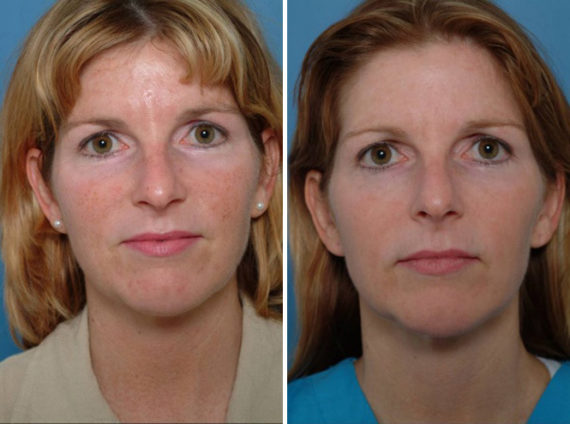
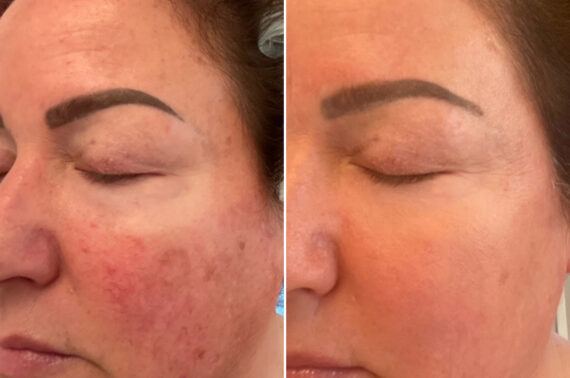
* Each patient is unique and individual results may vary.
Can You Take Too Much Collagen?
Yes, it is possible to take too much collagen, especially in supplement form. While collagen is generally considered safe and well-tolerated, excessive intake can sometimes lead to digestive discomfort, such as bloating, a feeling of fullness, or mild gastrointestinal upset. It’s also important to remember that more is not always better. Your body can only use a certain amount of collagen at a time, and the rest may be excreted or stored unnecessarily. To stay on the safe side, always follow the dosage recommendations provided on product labels or consult your healthcare provider.
Collagen’s Role Beyond the Skin
While our primary focus is facial rejuvenation, it is worth noting that collagen is the glue that holds the entire body together. Beyond aesthetics, healthy collagen levels support:
- Joint Mobility: It cushions cartilage to reduce stiffness and improve flexibility.
- Bone Strength: It acts as the structural matrix that keeps bones dense and resilient.
- Heart & Muscle Function: It maintains the elasticity of arteries and supports muscle tissue repair.
However, the most visible indicator of collagen health is your skin. When levels drop, the face is the first place to show it.

Consult with an Expert in Facial Rejuvenation
Collagen demands a skilled and experienced specialist. Rebuilding collagen isn’t just about adding volume or smoothing wrinkles. It’s about working with the skin’s natural structure to support true, long-lasting rejuvenation. That’s why choosing the right professional makes all the difference.
At The Aesthetic Surgery Center, Dr. Anurag Agarwal is a nationally recognized leader in facial plastic surgery and skin rejuvenation. With expertise in laser skin treatments, collagen induction therapy, and advanced injectable techniques, they specialize in procedures that stimulate natural collagen production while enhancing your facial harmony. Ready to see what personalized facial rejuvenation can do for you? Call us at 239-594-9100 or visit our contact page to schedule your consultation.
About the Author
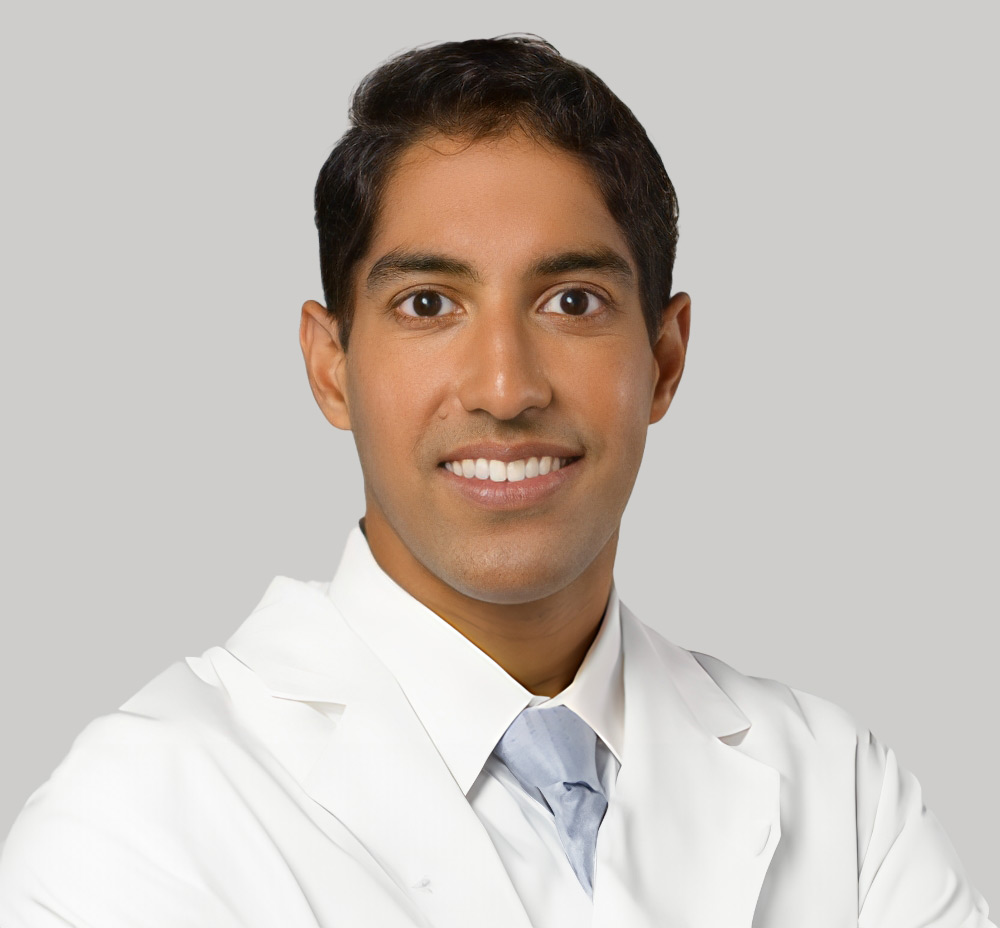
Dr. Anurag Agarwal is a double board-certified facial plastic surgeon and the medical director of Aesthetic Surgery Center in Naples, FL. Certified by the American Board of Facial Plastic and Reconstructive Surgery and the American Board of Otolaryngology, Head and Neck Surgery, he is a Fellow of the American College of Surgeons, serves on the Board of Directors of the ABFPRS, and is a past president of the Florida Society of Facial Plastic and Reconstructive Surgery. He developed the Uplift™ lower face and neck lift and has been named a Castle Connolly Top Doctor every year since 2015, as well as Best Plastic Surgeon in the Naples Daily News Community’s Choice Awards in 2024 and 2025.