
For women considering breast augmentation, one of the most common questions is whether implants will affect breastfeeding down the road. The short answer is that most women can breastfeed after breast augmentation, but the longer answer is more nuanced. Can you breastfeed after breast augmentation without problems? In most cases, yes, though every woman’s experience is shaped by her anatomy, the surgical approach used, and the realities of breastfeeding in general.
It’s worth remembering that breastfeeding is often challenging on its own, with or without implants. Common difficulties for many women include low milk supply concerns, latch issues, cracked or sore nipples, pain, fatigue, returning to work, and mastitis. Knowing this ahead of time helps frame the conversation about breast implants and breastfeeding more honestly.

At Aesthetic Surgery Center in Naples, FL, board-certified plastic surgeon Dr. Casey Holmes takes time during every consultation to discuss future family planning and how it factors into the surgical approach.
Breastfeeding and Breast Implants at a Glance
- Most women can breastfeed successfully after breast augmentation, though results vary by individual.
- Surgical technique, implant placement, and incision location all play a role in protecting milk ducts.
- Silicone implants and saline implants are both considered safe during breastfeeding.
- Many factors unrelated to surgery can also influence breastfeeding success, including hormones, anatomy, and pregnancy itself.
- Sharing your future family plans with Dr. Holmes during the consultation helps shape the safest surgical approach.
Can You Safely Breastfeed After Breast Augmentation?
Most women who have had breast augmentation can safely breastfeed their baby. The ability to produce and deliver breast milk depends on whether the milk ducts and the nerves that support milk production remain intact, and a thoughtful surgical approach is designed to protect both.
That said, success isn’t guaranteed for any woman, with or without implants. Individual anatomy, the type of surgery performed, and factors that have nothing to do with breast augmentation all play a role. Some women produce more than enough breast milk to fully nourish their baby. Others find they need to supplement, again, regardless of whether they have implants. Setting realistic expectations from the start is one of the most helpful things a future mom can do.
Does Surgery Affect Milk Production?
Milk production happens in the glandular tissue of the breast, and the milk travels through a network of milk ducts that lead to the nipple. When breast augmentation is performed thoughtfully, those structures stay intact.
The key is the surgical approach. Incisions that are placed away from the areola tend to leave the milk ducts and surrounding nerves undisturbed. Implant placement under the muscle generally has less impact on breast tissue than placement directly above the muscle. Dr. Holmes plans each procedure with these considerations in mind, especially for patients who hope to breastfeed in the future.
Even with the most careful approach, milk production naturally varies from woman to woman. Some have an abundant supply, others have a more modest one, and that variation exists across the entire population, not just among women with breast augmentation.
Are Breast Implants Safe During Breastfeeding?
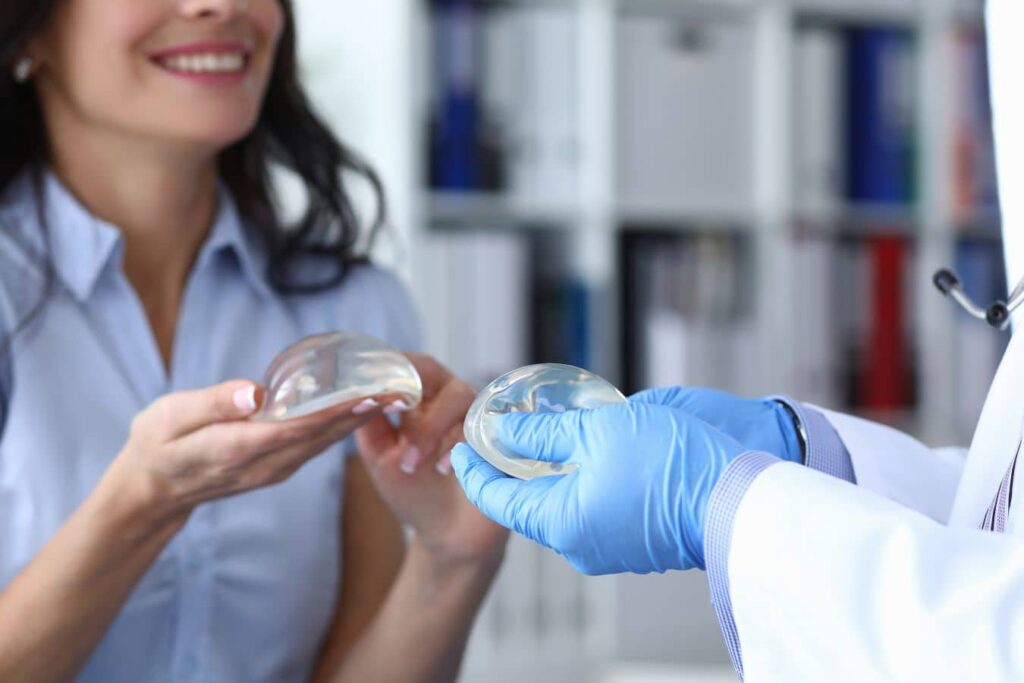
Both silicone implants and saline implants are considered safe for women who plan to breastfeed. There is no evidence that breastfeeding with implants poses harm to the infant, and current research supports the same conclusion. Saline implants are filled with sterile salt water, and modern silicone implants use a cohesive gel that stays contained within the implant shell.
It’s also worth noting that the implant itself sits behind the breast tissue or the chest muscle, not inside the milk-producing structures. The breast milk a baby receives comes from the natural glandular tissue, untouched by the implant.
What Surgical Factors Can Help Protect Breastfeeding?
When breastfeeding is a priority, two surgical decisions matter most: where the implant is placed and where the incision is made. Both are discussed in detail during a consultation with Dr. Holmes.
Implant Placement
Implants can be placed in one of two positions:
- Under the muscle (submuscular): The implant sits beneath the pectoralis major muscle, with the breast tissue and milk ducts resting on top. This placement is generally considered more protective of breastfeeding because it keeps the implant farther away from the glandular tissue.
- Over the muscle (subglandular): The implant sits between the breast tissue and the muscle. While many women with this placement still breastfeed successfully, the implant is closer to the milk-producing tissue.
Incision Placement
The location of the incision also plays a role:
- Inframammary incision (in the breast crease): This is the most common approach and tends to be the most protective of breastfeeding because it stays well away from the milk ducts and the nerves that support nipple sensitivity.
- Periareolar incision (around the nipple): This approach can carry a slightly higher chance of disrupting milk ducts or affecting nipple sensitivity, since the incision passes close to or through the areola.
These factors are part of every breast augmentation planning conversation at the practice, particularly for patients who hope to have children later.

Are You Ready For A Consultation?
You are about to take the first steps towards improving your appearance and enhancing your self-image by learning about contemporary plastic surgery.
Can Breastfeeding Challenges Still Happen After Augmentation?
Yes, and it helps to know this ahead of time so it doesn’t come as a surprise. Some women with breast augmentation experience a reduced supply of breast milk, and some find that supplementing with formula or pumping is part of their feeding routine. That can happen for any number of reasons, and it’s not necessarily related to the surgery.
Many factors influence breastfeeding success, and most of them have nothing to do with implants:
- Hormonal shifts during and after pregnancy
- Underlying breast anatomy and the amount of glandular tissue a woman naturally has
- Latch and feeding technique
- Stress, sleep, and overall health
- Returning to work and managing pumping schedules
- Conditions like mastitis or thrush
A lactation consultant can be a tremendous resource for any new mom navigating these challenges, whether or not she has implants. Many women with breast implants find that the support of a lactation consultant in the first few weeks makes a real difference.
How Pregnancy Can Change Breast Augmentation Results
Pregnancy brings significant changes to the breasts, regardless of whether implants are in place. Hormonal shifts cause the breasts to enlarge as milk ducts prepare for breastfeeding, and the skin stretches to accommodate that growth.
After pregnancy and breastfeeding, the breasts often return to a different shape than before. Some women find their breasts are softer, smaller, or less full on top, with skin that no longer feels as firm. With implants in place, the implant itself stays intact, but the surrounding breast tissue can shift in volume and position. Some women love their post-pregnancy look, while others choose to revisit their results with a breast lift or implant revision down the road.

Should You Wait Until After Having Children to Get Breast Implants?
There’s no universal answer here, and the right timing depends on each woman’s life, goals, and timeline. Some patients prefer to enjoy their results for years before starting a family. Others would rather wait until after they’re done having children so their post-baby body becomes the starting point.
A few things to consider when thinking about timing:
- Breast augmentation results can change with pregnancy, but the implants themselves are not damaged.
- If a revision is needed later, it’s typically performed several months after a woman has finished breastfeeding to allow the breasts to settle.
- Waiting indefinitely isn’t necessary. Many women have breast augmentation in their 20s and 30s, go on to have children, and are still happy with their results years later.
- Personal goals matter. Some women feel that putting their cosmetic priorities on hold for years isn’t the right choice for them.
This is one of the most personal decisions in the entire planning process, and Dr. Holmes encourages an open, honest conversation about it during the consultation.
Breast Augmentation Planning With Dr. Casey Holmes
During a consultation, Dr. Holmes listens carefully to each patient’s goals, reviews their anatomy, and walks through implant options, incision choices, and the broader plan. As Dr. Holmes puts it, “I treat all of my patients like I treat my own family members. I want them to be happy with themselves and will work with their goals and desires to give them the best and safest results possible.”
For patients who hope to breastfeed in the future, that conversation includes a thoughtful discussion of how implant placement and incision location can be planned with milk production in mind.
Schedule a Breast Augmentation Consultation in Naples, FL
Thinking through breast augmentation alongside future family plans deserves a thoughtful, personalized conversation. Schedule a consultation at Aesthetic Surgery Center to discuss your goals with Dr. Holmes and learn how the surgical approach can be tailored to your priorities, including future breastfeeding.
FAQs about Breast Augmentation and Breastfeeding
Breastfeeding right after breast surgery isn’t typical, since the breasts need time to heal and most patients are not pregnant at the time of their procedure. Once healing is complete and a pregnancy occurs later, breastfeeding can usually begin on the normal timeline after delivery.
Most moms with implants do not find breastfeeding any more painful than mothers without them. Sore or cracked nipples, engorgement, and latch-related discomfort are common breastfeeding challenges for many women regardless of whether implants are present. If pain is persistent or unusual, a lactation consultant or your physician can help identify the cause.
Some women notice changes in nipple sensation after breast augmentation, which can range from temporary numbness to long-term changes. The incision location plays a role here. Periareolar incisions carry a slightly higher chance of affecting nipple sensitivity than inframammary incisions, though most women regain normal sensation as healing progresses.
Yes, absolutely. Sharing your family planning hopes with your plastic surgeon helps shape the surgical approach. Knowing that breastfeeding is a future priority allows Dr. Holmes to recommend implant placement and incision location with milk ducts and nipple sensitivity in mind.
About Dr. Casey Holmes
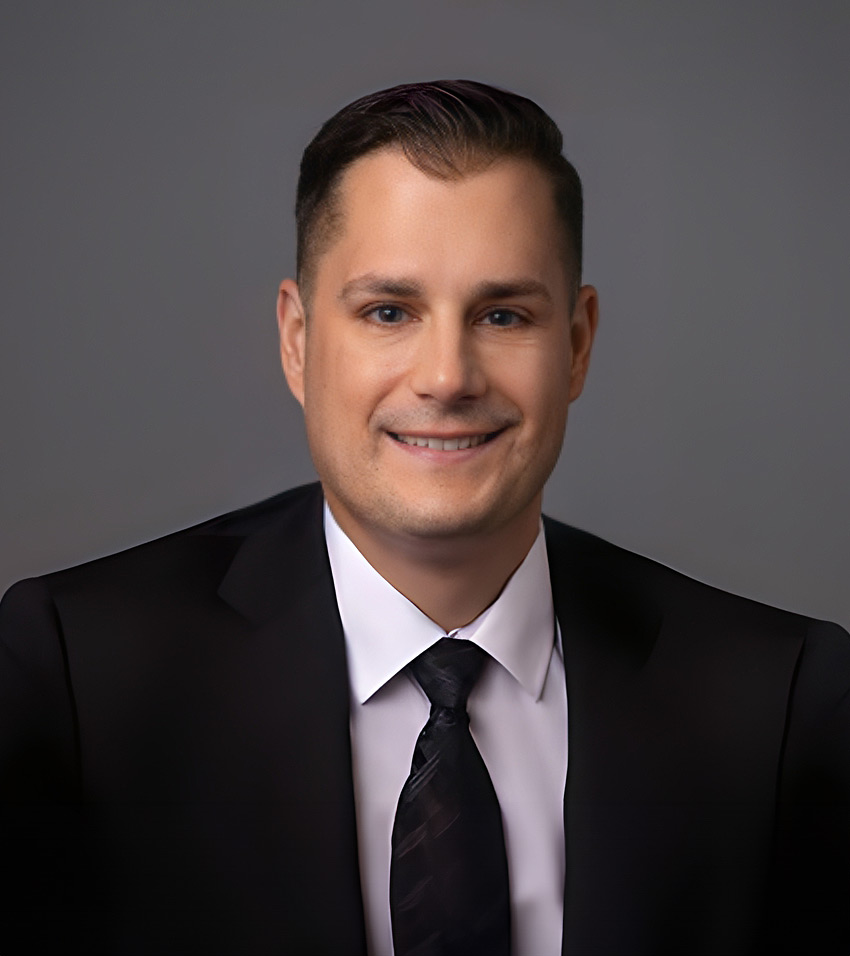
Dr. Casey Holmes is a board-certified plastic surgeon with the American Board of Plastic Surgery, known for a thoughtful, patient-first approach. At Aesthetic Surgery Center in Naples, FL, Dr. Holmes performs a full range of breast and body procedures, with a particular focus on natural-looking, beautifully proportioned results. Patients consistently describe Dr. Holmes as attentive, easy to talk to, and meticulous in the operating room.