
Recovering from facelift surgery involves more than incision care and follow-up visits. One of the most common concerns patients have is how to sleep after facelift surgery in a way that supports healing and protects results. Sleep position plays an important role in swelling control, comfort, and overall recovery after facelift surgery, especially during the first few weeks.
At Aesthetic Surgery Center in Naples, Florida, facelift procedures are performed by experienced plastic surgeons including Dr. Anurag Agarwal and Dr. Casey Holmes. Patients who have questions about sleep, positioning, or recovery can discuss these topics with their surgeon as part of post-operative care. Understanding general principles around healing can help patients feel more prepared during facelift recovery.

What to Know About Sleeping After Facelift Surgery
Sleeping properly after facelift surgery can help minimize swelling, reduce pressure on healing tissues, and support a comfortable recovery. Most patients are advised to adjust their sleeping position temporarily, especially during the early healing process. While recovery timelines vary, careful attention to sleep during recovery can help support comfort and healing.
Quick Facelift Recovery Insights for Safer Sleep
- Sleeping on your back with your head elevated is commonly recommended after facelift surgery.
- Side sleeping is usually limited during the early stages of facelift recovery.
- Elevation may help manage swelling during the first few weeks after surgery.
- Using supportive pillows can make upright or back sleeping more comfortable.
- Guidance on when to change sleep positions is typically provided as recovery progresses.
Why Sleeping Position Matters After Facelift Surgery
Facelift surgery involves repositioning skin and underlying facial tissues to improve contour and address signs of aging. During the healing process, these tissues are sensitive to pressure, movement, and fluid shifts. Sleeping position directly affects how swelling develops and how comfortably the face heals.
Lying flat or turning onto the side too early can increase pressure on the face and neck. This pressure may contribute to increased swelling or discomfort during the early healing phase, which is why surgeons often recommend specific sleeping positions to support comfort and recovery.
How to Sleep After Facelift Surgery During Early Recovery
Sleeping on Your Back After Facelift Surgery
Sleeping on your back is typically recommended after facelift surgery, particularly during the first phase of recovery. This position helps keep pressure off the face and allows swelling to distribute more evenly. Back sleeping also reduces the risk of accidental contact with healing areas during sleep.
For many patients, back sleeping may feel unfamiliar at first. However, using proper support can make this position more comfortable during recovery after facelift.
How Long to Sleep Upright After Facelift Surgery
Patients are often advised to sleep with the head elevated during the early recovery period. Elevation can help reduce swelling by encouraging fluid drainage away from the face. In many cases, this upright or semi-upright position is recommended for the first two weeks, though timelines may vary.
Guidance may also vary based on the specific procedure performed, such as a traditional facelift, UpLift deep plane Facelift, or endoscopic mid-face lift. Following these instructions closely can support a smoother healing process.
When Can I Sleep on My Side After Facelift Surgery?
Side sleeping is a common concern for patients who are accustomed to resting in that position. While side sleeping may feel more natural, it can place uneven pressure on healing tissues during facelift recovery.
In many cases, patients are advised to avoid side sleeping for at least the first few weeks after facelift surgery. This allows time for swelling to decrease and tissues to stabilize. Some patients may be cleared to gradually resume side sleeping after their surgeon confirms that healing is progressing appropriately.
Because recovery can vary, it is important to follow the recommendations provided by the doctors rather than relying on general timelines.

Are You Ready For A Consultation?
Schedule a consultation at Aesthetic Surgery Center in Naples, FL to receive personalized guidance from our surgical team.
Using Pillows and Support for Comfortable Recovery

Creating a supportive sleep environment can make recovery after facelift surgery more comfortable. Thoughtful positioning can help patients rest more easily while maintaining the ideal sleeping position. Proper support helps maintain alignment and may reduce the likelihood of rolling onto the side during sleep, which can be especially helpful during the first few weeks of recovery.
Common support tools may include:
- A wedge pillow to elevate the head and upper body
- Firm pillows placed along the sides of the body to prevent rolling
- A small pillow under the knees to reduce lower back strain
Using these tools can make back sleeping feel more natural and support restful sleep during recovery.
Managing Swelling and Healing Through Proper Rest
Swelling is a normal part of the healing process after facelift surgery. While swelling gradually improves, proper rest and positioning can help manage it more effectively. Sleeping with the head elevated and avoiding pressure on the face may support a more comfortable recovery.
Adequate sleep also plays a role in overall healing. Rest allows the body to focus energy on tissue repair and recovery. Patients are encouraged to prioritize sleep and follow recovery tips as provided.
Additional Recovery Tips That Support Sleep
In addition to sleeping position, several other factors can influence comfort and rest during facelift recovery. These considerations can complement proper positioning and support the healing process. Recovery is gradual, and small adjustments can make a meaningful difference in overall comfort.
Helpful recovery tips may include:
- Taking prescribed medications as directed to manage discomfort
- Keeping the bedroom quiet, dark, and cool to promote restful sleep
- Avoiding strenuous activity before bedtime during early recovery
- Following all post-operative care instructions provided by the surgeon
These strategies, combined with proper sleep positioning, can contribute to a more comfortable recovery after facelift surgery.
How Facelift Type May Influence Recovery Instructions
Different facelift techniques may involve varying recovery considerations. At Aesthetic Surgery Center, facelift options include UpLift Deep Plane Face and Neck lift and Endoscopic mid-face lift procedures. Each approach is designed to address specific areas of the face and may have slightly different recovery guidelines.
The doctors will tailor post-surgical instructions, including sleep recommendations, based on the procedure performed and your individual needs. This personalized approach helps ensure that recovery supports both comfort and results.
The UpLift™ Before & After Photos
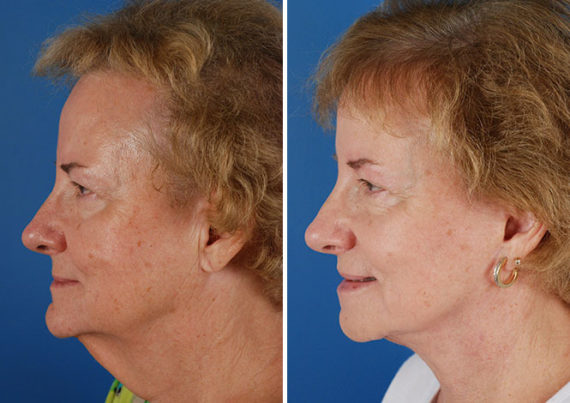
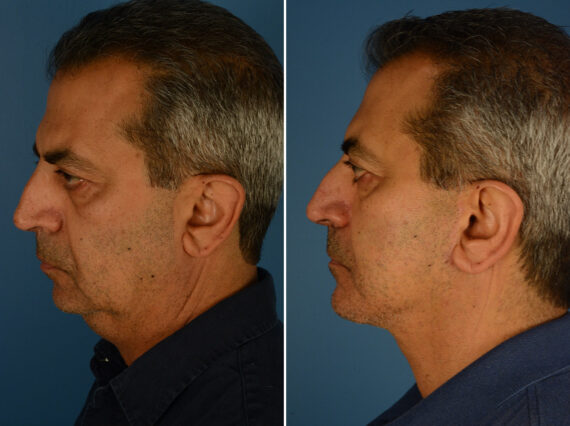
* Each patient is unique and individual results may vary.
Combining Procedures and Sleep Considerations
Some patients choose to combine facelift surgery with other cosmetic surgery procedures, such as neck lift or eyelid surgery. When multiple procedures are performed together, sleep positioning may be especially important.
In these cases, the surgeons often provide detailed guidance to help patients protect all treated areas during recovery. Following these instructions closely is essential for healing and long-term results.
When to Contact Your Surgeon About Sleep Concerns
While mild discomfort and adjustments to sleep are expected during recovery, patients should contact their surgeon if they experience concerns such as increasing pain, unusual swelling, or difficulty resting despite following recommendations.
Open communication with your plastic surgeon allows concerns to be addressed promptly and helps ensure a safe and supported recovery. A sleeping pill may be helpful in the first week after surgery to ensure optimal rest.
Supporting Results Through Proper Recovery Care
Facelift surgery results develop gradually as swelling subsides and tissues heal. Proper recovery care, including attention to sleep during recovery, plays an important role in supporting the healing process. By following guidance on sleeping position, rest, and activity, patients can help protect their results.
At Aesthetic Surgery Center in Naples, Florida, patients receive comprehensive care before, during, and after surgery. The surgeons emphasize patient education and individualized recovery planning to support both safety and satisfaction.

Schedule a Consultation in Naples, FL
If you are considering facelift surgery or would like to learn more about recovery expectations, including how to sleep safely after your procedure, a consultation can provide personalized guidance. The plastic surgeons at Aesthetic Surgery Center are available to discuss treatment options, recovery planning, and next steps.
Contact the practice today to schedule a consultation and take the next step toward a comfortable recovery and refreshed appearance.